Foil Digital Papers, Foil Textures: A Versatile Design Resource for Creatives
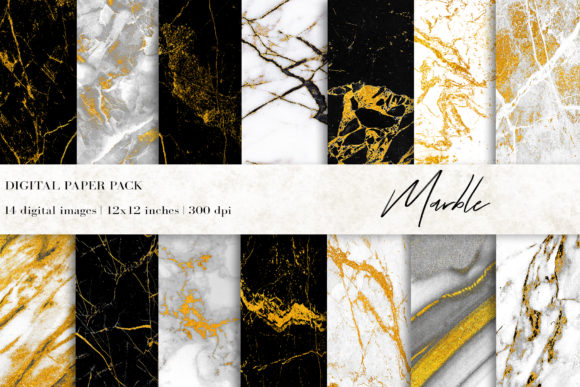
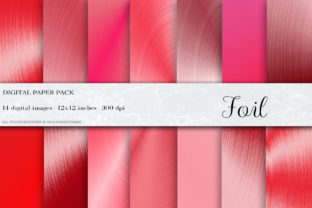
Foil Digital Papers and Foil Textures offer a sleek, elegant way to elevate any design project. These high-quality digital assets provide a metallic sheen that adds visual interest and sophistication to everything from wedding invitations to handmade stationery. With 14 unique designs in a 12x12 inch, 300 dpi JPG format, this set is a valuable addition to any creative toolkit.
What Are Foil Digital Papers and Foil Textures?
Foil Digital Papers are pre-designed backgrounds with a metallic finish, often used to add a touch of luxury to printed or digital projects. Foil Textures, on the other hand, are patterns or overlays that mimic the look of real foil, allowing for customization and layering. Together, they offer a versatile solution for designers, artists, and hobbyists looking to enhance their work without the need for physical materials.
These digital resources are ideal for scrapbooking, cardmaking, and crafting, as well as for professional applications like business cards, logos, and packaging. Their high resolution ensures clarity and quality, making them suitable for both print and digital use.
Common Mistakes When Using Foil Digital Papers
Despite their benefits, many users make mistakes when selecting or applying foil digital papers. One common error is choosing low-resolution files, which can lead to pixelation and a loss of detail. Always verify that the files are at least 300 dpi to ensure they look sharp when printed.
Another mistake is not considering the color scheme of the project. Foil textures may not complement all color palettes, so it’s important to test them in context before finalizing a design. Some users also overlook the file format, opting for formats that are not compatible with their design software or printing processes.
How to Avoid Common Pitfalls
To avoid these issues, start by researching the specifications of the digital papers you plan to use. Check the resolution, file type, and compatibility with your design tools. For example, if you’re using Adobe Photoshop or Illustrator, ensure the files are in a format that supports layers and transparency.
Additionally, preview the foil textures on different backgrounds to see how they interact. This step can save time and prevent last-minute adjustments. If you're unsure, consider purchasing a sample pack or testing a few designs before committing to a full set.
Choosing the Right Foil Digital Paper Set
When selecting a foil digital paper set, look for variety and quality. A set with 14 unique designs offers flexibility, allowing you to match different themes and styles. However, not all sets are created equal—some may have repetitive patterns or limited color options.
It’s also essential to check the licensing terms. Some digital papers may be restricted to personal use only, while others allow commercial use. Make sure the license aligns with your intended application, whether it's for a small business, a craft project, or a client’s event.
Realistic Examples of Effective Use
For instance, a wedding planner might use foil digital papers to create custom invitations that stand out. By layering a foil texture over a soft background, they can achieve a luxurious feel without the cost of physical foil. Similarly, a DIY enthusiast could use these papers for handmade greeting cards, adding a touch of elegance that elevates the overall presentation.
Another practical example is using foil textures in book covers or journal designs. The metallic finish can draw attention and give a professional appearance, making it ideal for self-publishers or independent authors looking to make their work more appealing.
Understanding the Value of High-Quality Digital Assets
Investing in high-quality foil digital papers can save time and money in the long run. Low-quality files may require rework or additional design efforts, increasing both time and cost. On the other hand, premium sets often come with detailed instructions, multiple file formats, and clear usage guidelines, making them easier to integrate into your workflow.
Moreover, using well-designed foil textures can enhance the perceived value of your products. Whether you're creating stationery for sale or designing marketing materials, the right foil elements can make a significant difference in how your work is received.
Key Factors to Consider Before Purchasing
Before buying a foil digital paper set, ask yourself a few key questions. What is the primary use of the papers? Will they be for personal projects, client work, or commercial purposes? Understanding your needs will help you choose the right set.
Also, consider the size and resolution of the files. A 12x12 inch, 300 dpi set is suitable for most projects, but if you’re working on larger prints, you may need higher dimensions. Additionally, check if the set includes multiple file types, such as PNGs for transparency or JPEGs for general use.
Maximizing the Potential of Foil Digital Papers
To get the most out of your foil digital paper set, experiment with different applications. Try combining textures with other design elements, such as watercolor effects or typography, to create unique visuals. You can also use them as backgrounds for social media posts, blog headers, or email newsletters to add a polished look.
Another effective strategy is to use foil textures as overlays in graphic design software. This allows you to adjust the opacity and blending modes to achieve the desired effect. By mastering these techniques, you can expand the versatility of your digital paper collection.